If you were injured in a crash in Bridgeport, talk with an attorney for a car accident once you are medically stable and before you give a recorded statement or accept an insurance offer. Many Connecticut personal injury lawyers work on contingency, meaning the fee comes out of a recovery instead of being paid upfront. This guide explains when a lawyer makes sense, how Connecticut’s deadline and fault rules work, how to find a lawyer in Bridgeport and Fairfield County, and what to compare before you sign anything.
Legal Disclaimer: Not legal advice. For educational purposes only. This guide is published by an independent information service and is not affiliated with any law firm. For representation, consult a licensed Connecticut attorney.
Do I Need an Attorney for a Car Accident in Bridgeport?
If you were injured, fault is disputed, or an insurer is pressuring you, consulting an attorney for a car accident in Bridgeport is generally sensible. For a minor fender-bender with no injuries and a cooperative insurer, many people handle the claim themselves. What matters is what is at stake in your particular crash.
The more of these apply, the stronger the case for a consultation:
- You were hurt. Anything beyond a bruise: neck or back pain, concussion symptoms, broken bones, or missed work.
- Fault is disputed. The other driver blames you, or the police report is unclear.
- The other driver is uninsured or underinsured. Your own policy may come into play, and those claims can be adversarial.
- The offer feels low. Or the adjuster wants you to settle before you know the full extent of your treatment.
- Multiple parties are involved. A commercial vehicle, a rideshare, a municipal vehicle, or a chain-reaction crash on I-95.
- The claim was denied or delayed without a clear explanation.
If the only issue is a repair bill, you probably do not need a lawyer.
Is It Worth Hiring an Attorney for a Car Accident?
It can be when injuries or disputed fault are involved, but no lawyer can promise an outcome. Insurers value claims every day, while an injured person may never have negotiated one. Whether representation pays off depends on your net result after fees, costs and liens compared with what you could obtain alone.
A lawyer can document losses people overlook, such as future medical needs or lost earning capacity, respond to adjuster tactics, and handle paperwork. An insurer may also take a claim more seriously when the claimant is prepared to file suit. Some people with straightforward claims do fine alone. A good lawyer will tell you honestly if your claim is too small to justify representation.
Car Accident Lawyer With No Injury: Is It Necessary?
Usually not. When no one is hurt, the claim is typically about repair or replacement, a rental car, towing and storage, and the other driver’s insurer can often resolve it without legal help. A consultation can still make sense if symptoms might appear later or the property dispute is significant.
Two exceptions are worth knowing about:
- Delayed-onset injuries. Whiplash and concussions can take hours or days to show up, and adrenaline masks pain. If you wake up stiff two days later, get checked and document it promptly. Gaps in treatment give insurers an argument that the crash did not cause the injury.
- Valuation and fault disputes. A total-loss offer far below local comparable vehicles, or a wrong fault finding that affects your premiums, may justify advice.
When to Hire an Attorney for a Car Accident
The best time to hire an attorney for a car accident is after you have received medical attention and before you talk substantively with an insurance adjuster. Early involvement helps preserve evidence and keeps you from making statements or signing releases you may regret.
You do not need to be finished with treatment to call, and calling before an offer arrives is usually better than after. If your injuries are minor and resolving quickly, you may reasonably wait and see how recovery goes.
These situations call for a lawyer sooner:
- Serious injury or death. Surgery, hospitalization, long-term impairment, or a wrongful death involving a family member.
- A commercial truck or company vehicle. Cases can involve the driver, the employer, a leasing company and several insurers, plus records that may be lost if not requested quickly.
- Hit-and-run. Your own uninsured motorist coverage may be the main source of recovery, and policies carry notice requirements.
- Insurer denial or weeks of silence.
- You may share some fault. Partial fault changes the math, and early statements can affect how fault is assigned.
- A request for a recorded statement or broad medical authorization. You can generally pause and get advice first.
If you are weighing a specific crash, the safest timing is within days of the accident, not after the insurer’s first offer.
If any of this sounds like your situation, it may be worth speaking with a licensed Connecticut attorney soon. Because the filing deadline is firm, an early conversation leaves time to investigate and preserve evidence. Many attorneys offer a free first consultation, and a consultation does not mean any particular result.
What Does a Car Accident Lawyer Do?
A car accident lawyer investigates the crash, builds the evidence, values your losses, deals with insurers, and files suit if a fair settlement is not offered. Most of the work happens behind the scenes, and many cases settle without a trial.
Typical tasks include:
- Investigation. Obtaining the police report, identifying witnesses, and preserving surveillance or dashcam footage. Video from businesses along Main Street or Barnum Avenue, for example, may be overwritten within days.
- Evidence and medical records. Photos, damage assessments, accident reconstruction in complex cases, and provider opinions on causation and future care.
- Valuing damages. Medical expenses, lost wages, reduced earning ability, pain and suffering, and property loss.
- Negotiation. Responding to low offers and presenting a documented demand.
- Litigation. Filing in court before the deadline, handling discovery, and preparing for trial.
- Handling liens. Health insurers, hospitals and government programs may claim reimbursement from a settlement. A lawyer can verify the amounts and sometimes negotiate them.
Connecticut Car Accident Laws That Affect Your Claim
Connecticut claims turn on a few rules: who was at fault, how fault is shared, how long you have to sue, and what insurance is available. The filing deadline comes from Conn. Gen. Stat. § 52-584 and fault-sharing from Conn. Gen. Stat. § 52-572h, both published on the Connecticut General Assembly website.
Two other areas are worth checking against official sources, because details change:
- Fault and insurance. The driver who caused a crash is generally responsible for the resulting damages, usually through liability insurance. Minimum coverage levels are set by state law and can be low relative to serious injuries. Uninsured and underinsured motorist coverage may matter if the at-fault driver has little or no insurance.
- Reporting. Crashes involving injury, death or significant property damage may need to be reported to police and, in some cases, to the state. Ask the responding officer or check with the Connecticut DMV for current requirements.
Connecticut’s 2-Year Deadline to File
A negligence-based injury lawsuit must generally be brought within two years from the date the injury is first sustained or discovered (or should have been discovered with reasonable care), and never more than three years from the act or omission (Conn. Gen. Stat. § 52-584). Claims against a municipality or the state have additional notice requirements and shorter deadlines.
Points to keep in mind:
- Settlement talks do not automatically stop the clock. Negotiating with an adjuster for 18 months does not extend the deadline without a formal agreement.
- Other deadlines may apply. Property damage claims, claims under your own policy, and claims involving a city, town or state agency can run on different or shorter timelines.
- Waiting weakens the case anyway. Witnesses forget, video is erased, and vehicles get repaired or scrapped.
A lawyer needs time to investigate, so contacting an attorney for a car accident with only a few weeks left leaves little room to prepare.
How Fault Is Shared Under Connecticut Law
Connecticut applies modified comparative negligence. Your own negligence does not bar recovery if it is not greater than the combined negligence of the parties you seek recovery from; otherwise damages are reduced in proportion to your share of fault. A claimant 51% or more at fault recovers nothing (Conn. Gen. Stat. § 52-572h).
Here is an illustration, not a prediction of any real case. Suppose a driver is hit while changing lanes on I-95 and total damages are found to be $100,000. If the injured driver is found 20% at fault for not checking a blind spot, damages would be reduced by 20%, to $80,000. At 51% fault, the injured driver would recover nothing.
This is why early evidence and careful statements matter. Insurers often try to shift a percentage of fault onto the injured person, because even a small shift reduces what they pay. Fault is argued from police reports, witness accounts, photos, damage patterns and sometimes video.
How to Find an Attorney for a Car Accident in Connecticut
Gather a short list from several sources, verify each lawyer’s license and record, and meet two or three before deciding. Advertising alone is a poor basis for choosing an attorney for a car accident in Connecticut.
A practical sequence:
- Ask people you trust. Friends, family, coworkers, or a lawyer you know from another matter may point you to a personal injury lawyer who treated them well.
- Use bar association resources. The Connecticut Bar Association and local bar groups may offer lawyer referral services. Screening varies, so treat referrals as a starting point.
- Verify the license and discipline history. The Connecticut Judicial Branch maintains an attorney look-up where you can confirm a lawyer is admitted to practice and check status.
- Read reviews critically. Look for patterns about communication and honesty, and be skeptical of reviews that read like advertisements.
- Schedule consultations. Many firms offer free initial consultations, but confirm before you go. Bring the police report, photos, medical information and insurance letters.
- Compare in writing. Ask for the fee agreement in advance and read it before signing.
To narrow the field, start with lawyers who focus on personal injury rather than general practice.
Car Accident Attorney Near Me in Bridgeport
A local lawyer is not required, but one who regularly handles cases in Bridgeport and Fairfield County brings practical familiarity. When you search for a car accident attorney near me in Bridgeport, consider what local knowledge adds:
- Police reports and agencies. Knowing how local departments document and release reports.
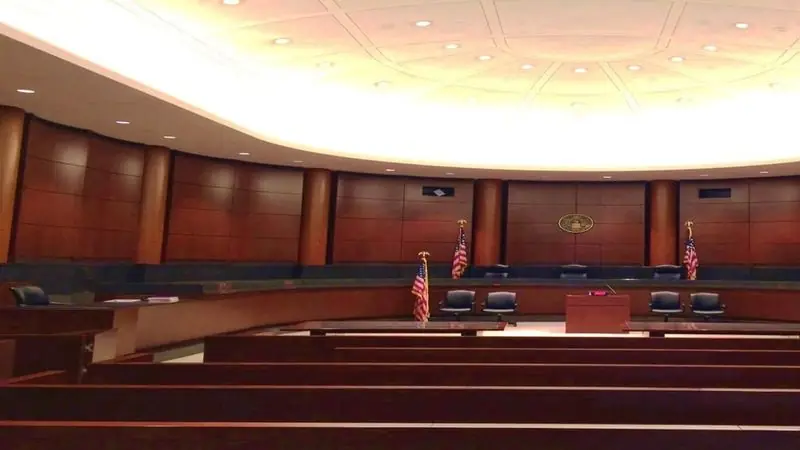
- The courthouse. Bridgeport is home to the Superior Court for the Fairfield Judicial District, and lawyers who appear there know its procedures.
- Medical providers. Experience with records from area hospitals, orthopedists, physical therapists and imaging centers.
- Crash locations. Familiarity with the I-95 corridor, the Route 8/25 connector and busy surface streets can help reconstruct what happened.
A nearby attorney for a car accident in Bridgeport, CT is convenient for in-person meetings, but proximity is not a substitute for personal injury experience. A more experienced lawyer a few towns over may serve you better.
Best Attorney for a Car Accident in Fairfield County
There is no objective best attorney for a car accident in Fairfield County, so define it by what matters in your case. Many “top lawyer” lists reflect advertising, paid listings or peer nominations, not a measure of quality or your likely results. This site does not rank or recommend named firms.
Useful criteria include:
- Experience with similar cases. A tractor-trailer collision, a pedestrian strike and a disputed-fault intersection crash raise different issues.
- Trial readiness. Ask whether they take cases to trial when needed.
- Resources. Can they retain experts and advance costs in a serious case?
- Communication. Who will you actually talk to, and how fast are calls returned?
If a lawyer promises a specific dollar amount or says they will certainly win, treat that as a warning sign.
How to Compare Car Accident Attorneys: Buyer’s Checklist
To compare car accident attorneys fairly, ask each one the same questions in the same order and write down the answers. Focus on experience with similar crashes, fee terms, who handles your file day to day, and willingness to go to trial, then weigh the answers side by side after the consultations.
| Factor | What to ask or look for |
|---|---|
| Experience | How many years in personal injury? How many cases like mine? |
| Capacity | Is there enough bandwidth to give my case attention? |
| Fee percentage | What percentage applies, and does it change if suit is filed? |
| Case costs | Who advances costs, and are they deducted before or after the fee is calculated? |
| Trial record | Have they tried cases to verdict? Would they try mine? |
| Communication | How often are updates given, and who is my main contact? |
| Conflicts | Any conflict of interest with the parties or insurers involved? |
Questions worth asking at the consultation:
- What do you see as the main strengths and weaknesses of my claim?
- What deadlines apply, and what should I do right now?
- How do you handle medical liens?
- What happens if we cannot settle?
- Could my own actions, like social media posts or gaps in treatment, hurt the case?
A thoughtful lawyer will talk about uncertainty. One who only tells you what you want to hear may not be the right choice.
How Much Does a Car Accident Attorney Cost in Connecticut?
Most car accident lawyers work on contingency, taking a percentage of any recovery. Connecticut caps those fees in personal injury cases, but the actual percentage varies by firm and case stage, so confirm it in writing before you sign.
Under Conn. Gen. Stat. § 52-251c, contingency fees in personal injury, wrongful death and tort property damage cases may not exceed:
- 33⅓% of the first $300,000 recovered
- 25% of the next $300,000
- 20% of the next $300,000
- 15% of the next $300,000
- 10% of any amount above $1.2 million
A lawyer may charge less than the cap. Other points to understand:
- Fees versus costs. The fee is the percentage. Case costs are separate: filing fees, records, expert witnesses, depositions. Ask whether costs are subtracted before or after the percentage is calculated, because that affects what you receive.
- If there is no recovery. Some agreements waive the fee but still make you responsible for costs. Have that clause explained.
- Fee changes at litigation. Some agreements raise the percentage if a lawsuit is filed, within the statutory limits.
- Medical liens. Health insurers, Medicare, Medicaid or providers may be entitled to repayment from a settlement, which reduces your net amount.
Ask for a written example showing how a hypothetical settlement divides among fees, costs, liens and your net amount. It is one of the best ways to compare lawyers.
What to Do After a Car Accident in Bridgeport Before You Call a Lawyer
After a Bridgeport crash, put safety first, then medical care, then documentation. Call 911, exchange information, photograph the scene, get evaluated by a medical provider, and avoid admitting fault or giving recorded statements to the other insurer. What you do in the first days can affect both your health and any later claim.
- Get to safety. If you can, move out of traffic, especially on I-95 or Route 8, and turn on hazard lights.
- Call 911. Report injuries and request police. A police report is key evidence.
- Exchange information. Get names, plate numbers and insurance details from the other driver, and contact details from witnesses.
- Take photos and video. Capture vehicle positions, damage, skid marks, road conditions, signals and visible injuries.
- Get medical care. Be evaluated promptly even if you feel okay, and keep follow-up appointments.
- Avoid admitting fault. Be polite and factual, and do not speculate about what happened.
- Notify your insurer. Report the crash promptly, as your policy likely requires, and stick to the facts.
- Be cautious with the other insurer. You can generally decline a recorded statement until you have had advice.
- Keep records. Save bills, receipts, pay stubs, repair estimates, and a simple daily log of symptoms.
- Limit social media. Insurers may use posts and photos to challenge your claim.
Legal Disclaimer
This article is general educational information from an independent service, not legal advice, and it creates no attorney-client relationship. The publisher is not a law firm, is not affiliated with any lawyer, and does not rank or recommend attorneys. Laws and deadlines depend on the facts of each case, so confirm current rules with a licensed Connecticut attorney and official state sources.
Frequently Asked Questions
Should I get an attorney for a car accident in Bridgeport?
It is generally wise if you were injured, fault is disputed, or the insurer’s offer seems low compared with your losses. Many firms offer free initial consultations, so you can learn where you stand without paying upfront. With no injuries and minor damage, you may be able to resolve the claim yourself.
How much time do I have to file a car accident lawsuit in Connecticut?
A negligence-based injury action must generally be brought within two years from the date the injury is first sustained or discovered, and never more than three years from the act or omission (Conn. Gen. Stat. § 52-584). Claims against a municipality or the state have additional notice requirements and shorter deadlines.
Is it worth hiring an attorney for a minor car accident?
It depends on your injuries and the damage. If you have no symptoms and the repair is simple, you may not need one. Whiplash and other injuries can appear days later, so if anything changes, a consultation is sensible. A lawyer can tell you whether your claim justifies representation.
How much does a car accident lawyer cost?
Most work on contingency, and Connecticut caps those fees in personal injury cases, starting at 33⅓% of the first $300,000 recovered and stepping down on larger amounts (Conn. Gen. Stat. § 52-251c). Actual percentages vary by firm, and costs such as filing fees may be separate. Get the terms in writing.
What does a car accident lawyer do?
A lawyer investigates the crash, gathers evidence and medical records, values your damages, negotiates with insurers, files a lawsuit if necessary, and handles medical liens. They also advise you on deadlines and on what to say to insurers.
When should you call an attorney after a car accident?
As soon as you are safe and have received medical care, ideally before you speak with adjusters or sign anything. Early contact helps preserve evidence like surveillance video, which may be overwritten quickly.
Can I get a car accident attorney if I was partly at fault?
Yes. Under Connecticut’s modified comparative negligence rule, you can still recover if your negligence is not greater than the combined negligence of the other parties, though your damages are reduced by your share of fault. A claimant 51% or more at fault recovers nothing (Conn. Gen. Stat. § 52-572h). Fault percentages are often contested, so partial fault is a good reason to get advice early.
How do I find a good car accident attorney near me in Bridgeport?
Start with referrals from people you trust and bar association referral services, then confirm each lawyer’s license and discipline record through the Connecticut Judicial Branch. Read reviews critically, meet at least two lawyers, and review the fee agreement in writing before you decide.